Larnaca in Late October and November: A Week-by-Week Shoulder-Season Plan
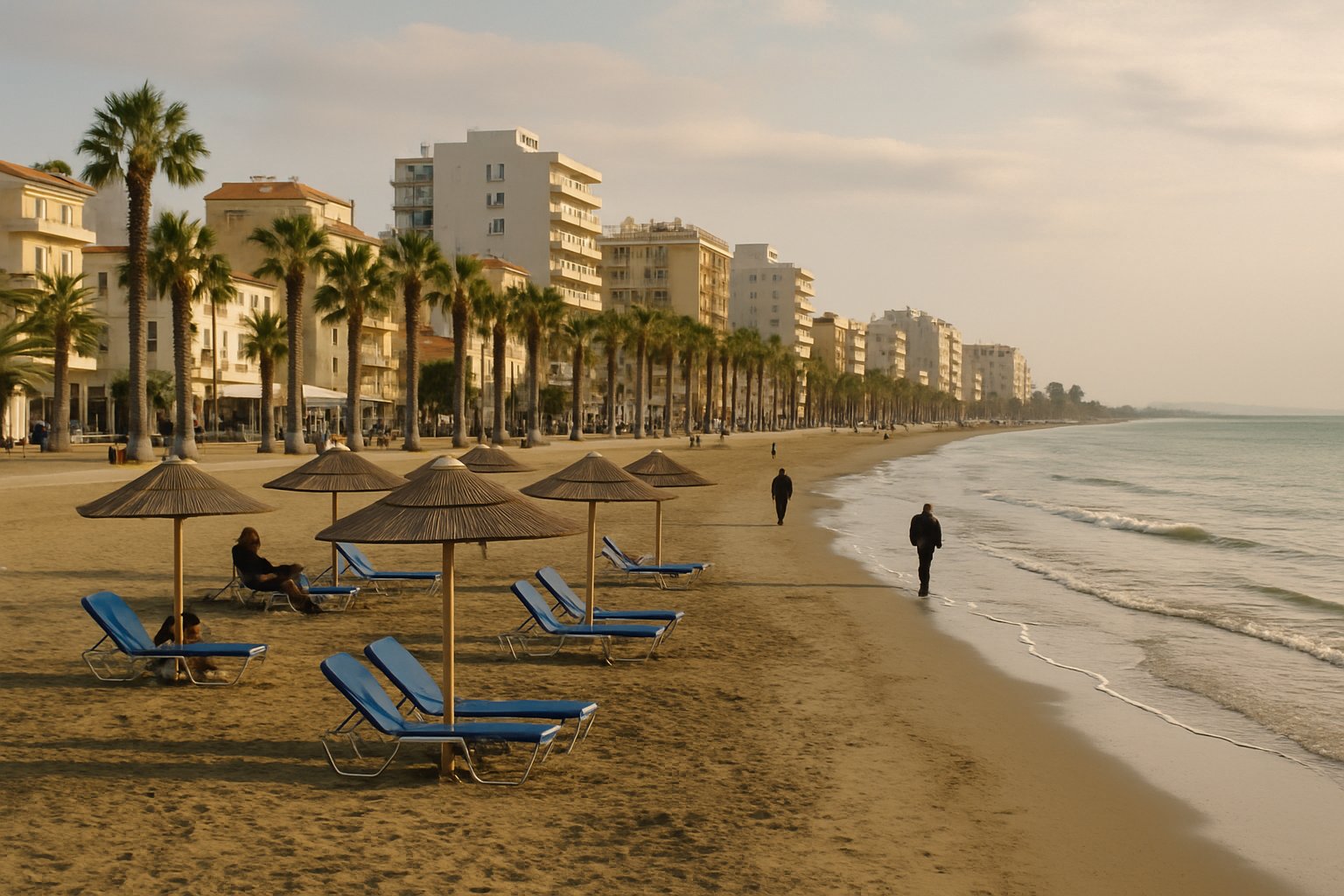
The sea off Finikoudes usually stays in the mid-20s through late October and is typically still above 20°C at the end of November. Here is how to time your swims, beach days and flamingo walks for the rest of the season, week by week.
Why Larnaca works in autumn
Autumn has become a selling point for Larnaca. A shoulder-season index compiled by the UK comparison site Quotezone, reported by Cyprus Mail in August, ranked Larnaca third-best in southern Europe for an autumn getaway. The index scored destinations on sunshine, temperature, rainfall and accommodation costs. It is a commercial ranking, not an official one, but it reflects what locals already know. October and November are warm, the sea holds its heat, and the crowds are gone.
Conditions change quickly over the remaining weeks of the season, though. Swimming at Finikoudes on 29 October is a different experience from swimming there on 25 November. This plan breaks the period from late October to 30 November into short windows so you can choose the right one.
What the sea actually does
Some coverage of the index quotes a sea temperature of 27°C across September and October. That figure is on the generous side for October. Long-term averages give a more reliable picture:
- October: average about 25.6–26°C, ranging from roughly 23°C to 28°C. On 1 October the sea measured 27°C in 2024 and 26.6°C in 2025.
- November: average about 22–23°C, ranging from roughly 20°C to 26°C. On 1 November it measured 23.9°C in 2024 and 24.9°C in 2025.
On land, October averages highs of about 26°C and lows of about 16°C. In November, highs average about 22.6°C and lows about 12.5°C. The water is often warmer than the air by late afternoon, which is why so many residents keep swimming well into November.
Week by week
28–31 October: warm water, softer evenings
The water usually stays in the mid-20s, but evenings cool noticeably, so pack a light layer for dinner on the seafront. These last days of the month are a good time to combine morning swims with sightseeing in the afternoon, and the promenade is far calmer than in summer.
Lifeguards: check current lifeguard cover with Larnaca Municipality before you swim. If a beach is unguarded, swim within your depth, go with company, and stay out if the red flag or a strong wind is up.
1–15 November: the residents' swimming season
The sea typically sits around 23–25°C at the start of the month and cools gradually. It is very swimmable, and calm mornings are best. Expect beaches to be mostly empty on weekdays, which makes this one of the most relaxed times of year to be by the water.
November is also when bird life at Larnaca Salt Lake picks up. Visit Cyprus says flamingos stay between November and March. Numbers depend on how much rain has fallen, and some visitors in mid-November see none, so treat a sighting as a bonus. The Hala Sultan Tekke mosque sits beside the lake.
16–30 November: city break with a swim if you're lucky
By late November the water drifts toward the low 20s and occasionally touches 20°C. Hardy swimmers will still go in, but plan this fortnight as a city break. Walk the seafront, explore the old town around Agios Lazaros, and catch some local culture. The annual Larnaca Amateurs Artistic Creation festival is held in November, with 2026 dates to be confirmed.
Finikoudes or Mackenzie?
Finikoudes is the town beach, a Blue Flag strip in front of the palm-lined promenade, between the cafés and the marina. It suits short dips between errands or meals, and its central location makes it the easiest choice late in the season when you only want an hour in the water.
Mackenzie, south of the centre towards the airport, is a good pick if you're after a longer beach session. Check visitcyprus.com for access and parking details.
Kastella and Yiannades are also within town if you want a change. Nissi in Ayia Napa makes a separate day trip.
Making the most of quieter, cheaper weeks
Accommodation costs were one of the measures behind Larnaca's index ranking, and rates generally ease once the summer peak is over. In practice:
- Avoid school half-term weeks in your home country if you want the lowest prices and the emptiest beaches.
- Go midweek. Weekdays are when the beaches are at their quietest.
- Make the most of the outdoors. The beaches, the promenade and the Salt Lake trails are the heart of a shoulder-season visit.
- Time your swims. In November, aim for late morning to mid-afternoon, when both the air and the water are at their warmest.
Before you book
Event dates, opening hours and prices can all change, so check before you go. The Deputy Ministry of Tourism's official site, visitcyprus.com, is the best starting point for current information. For warm swims without the crowds, the first half of November is hard to beat; for a classic beach holiday, plan early October next year, when the sea is typically at its autumn warmest.
Leave a Reply